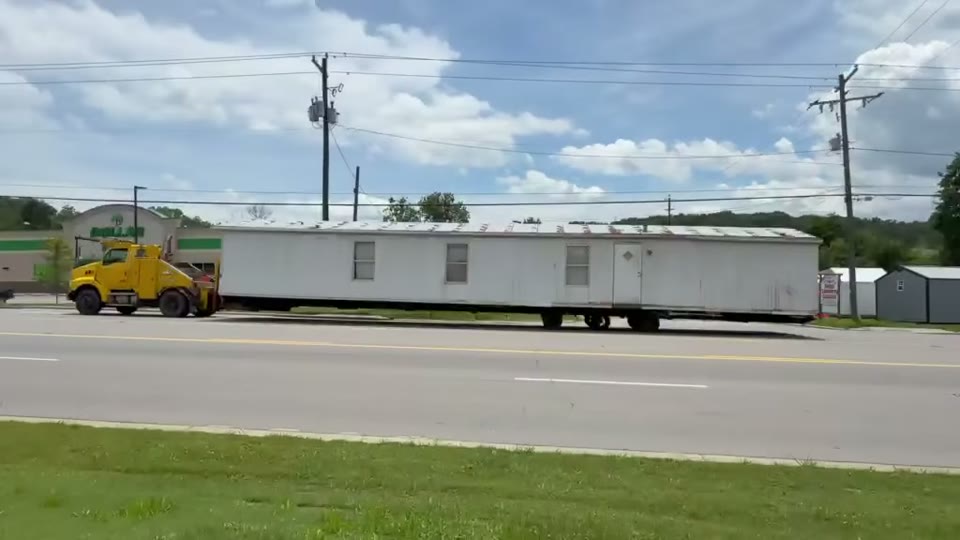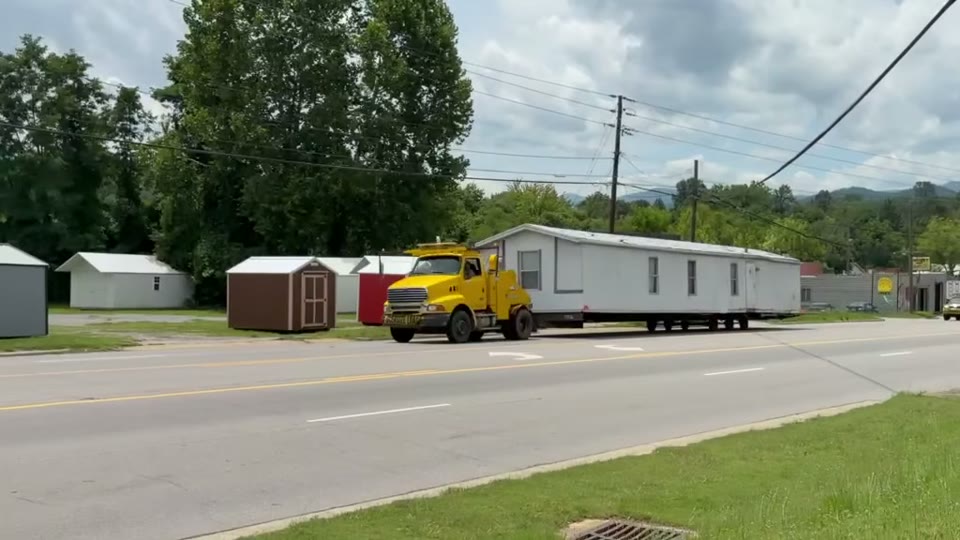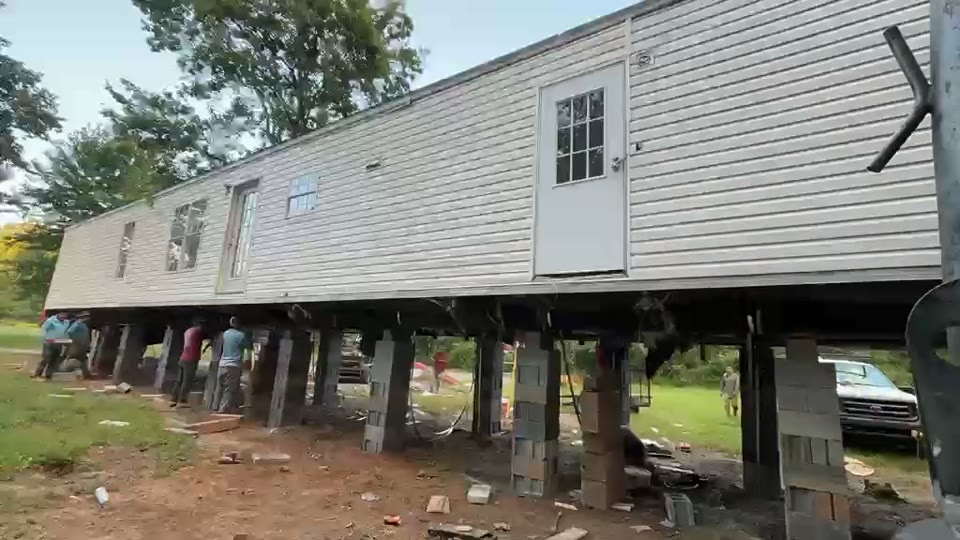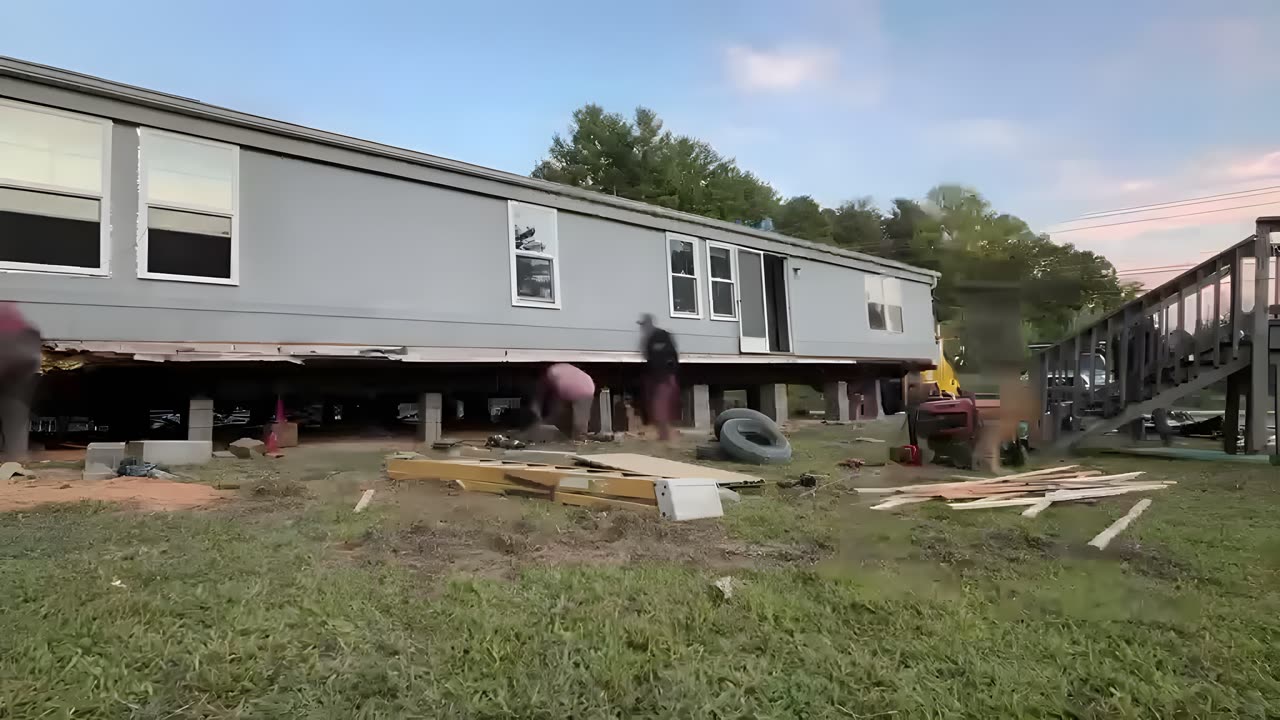
The foundation choice that shapes the entire budget
In the ridge communities surrounding Asheville NC, from Weaverville through Swannanoa Valley and south toward Arden, manufactured and mobile homes sit on everything from a stack of precast ABS pads to cast-in-place concrete runners poured into a graded mountain lot. The foundation type is not purely a structural decision; it is a terrain, lender, and zoning question that should be answered before any line item appears on a quote.
Four systems cover nearly all mobile and manufactured home installations in NC:
- ABS pier pads (precast plastic or concrete pads placed under each pier) are the lowest-cost option and common in parks or temporary placements where local codes allow them. They require a nearly level, stable site; the soft fill and slope-drainage patterns typical of Buncombe County hillsides can undermine them faster than the same pads would hold on flat ground.
- Concrete runners are cast-in-place strips poured under each chassis beam. They spread load across a wider soil area and are the standard option for permanent setups on reasonably level lots.
- Concrete footers with pier blocks place individual poured pads under each pier. The system handles grade variation better than runners and is what county inspectors most commonly expect under a double-wide on uneven terrain.
- Full concrete slab treats the manufactured home like site-built construction. It is the most expensive system and is typically required by certain lenders, HOAs, or specific zoning conditions rather than chosen freely.
The lender's requirements often override terrain preference. Chattel lenders financing the home as personal property sometimes accept ABS pads under standard park conditions. Real estate lenders financing both home and land together typically require a permanent foundation (concrete runners or footers at minimum), and some require a full slab. Knowing your financing type before negotiating a site contract prevents a renegotiation after the loan commitment letter arrives.
Which system your installation requires depends on lot slope, lender requirements, local zoning, and home size, not on which option the installer prefers. Settling the foundation type before signing eliminates the most common budget surprise in manufactured home site work in this market.
What the work actually costs, scope by scope
Buncombe County site-prep prices do not follow national averages because national averages assume flat lots. The ranges below reflect combined site-prep costs (grading, pad work, and foundation system) for western NC, not aspirational bids from markets with different terrain.
| Scope of work | Typical NC range | Key cost driver |
|---|---|---|
| ABS pads + site prep, single-wide | $2,000 – $3,500 | Pad count, blocking pattern, leveling |
| Concrete runners + site prep, single-wide | $2,800 – $6,000 | Runner length, soil prep, slope |
| Concrete footers + piers + site prep | $3,500 – $8,000 | Footing depth, pier count, hillside cut |
| Full concrete slab + site prep, double-wide | $10,000 – $15,000 | Slab depth, rebar, finish grade |
Before comparing any bid against this table, confirm which foundation system it covers. The footer-plus-piers row assumes a certain footing depth; on Buncombe County slopes, that depth can increase when the inspector finds fill or soft soil during the dig. A per-pier price in the contract keeps change orders honest when depth varies across the lot.
These ranges cover the site-prep and foundation portion of a setup, not the all-in installation cost. The full installation cost guide for NC breaks down transport, blocking, tie-downs, and utility connections alongside the foundation work.
What a sloped lot adds in the Asheville NC area
The mountain terrain around Asheville NC means grading is not a cost line some jobs skip; it is the cost line that determines whether every other line item holds. A level, compacted pad is the prerequisite for any footer system to perform as designed. On a hillside lot, achieving that level frequently costs more than the footer pour itself.
Buncombe County's storm record makes the drainage argument plainly. This county has 19 federally declared disaster events on file spanning 1973-2026, the five most recent including Hurricanes in 2020, 2021, and 2023, a Tropical Storm in 2024, and a Winter Storm in 2026. Uphill runoff during these events erodes fill pads, softens soil under ABS piers, and can push hydrostatic pressure against the low side of a concrete runner. A drainage plan is not an upgrade on a mountain lot; it is what keeps the same footer install from needing attention after the next storm season.
Lots with a rear-uphill orientation are common in Buncombe County's older subdivisions and rural parcels. On these lots, the home faces downhill and the foundation sits partly against the cut bank. The highest-loaded footers are also the ones most exposed to uphill water, so a grading plan that routes the bank drainage away from the home's perimeter is the precondition that makes the footer system's rated performance achievable. Skipping that drainage to lower the front-end cost consistently increases the total cost of the project before the second storm season ends.
Our foundation grading and footers guide covers what a complete Buncombe County site-prep scope looks like before the installation crew arrives.
Permits, inspections, and NC code requirements
Setting up a manufactured home in Buncombe County requires a building permit, a setup inspection, and an oversize load permit from NCDOT for the move itself. Understanding what each layer covers helps confirm the installer's plan matches what the inspector will expect to see.
The NC Manufactured Housing Board (NC Office of State Fire Marshal) licenses manufactured home setup contractors statewide. A licensed contractor is required for any installation, and the license number should appear on the contract itself. The Board also handles consumer complaints when installation problems arise after the job, which means a current license matters as much after something goes wrong as it does at signing.
Federal construction and safety standards set by the HUD Office of Manufactured Housing Programs are built into the home's data plate and cannot be waived at the local level. Homes installed in Buncombe County must comply with HUD Wind Zone I requirements (24 CFR 3280.305). The wind zone designation drives the tie-down anchor specification; a complete installation quote should address both the footer system and the anchor pattern, because the county inspector examines both in the same visit.
Moving the home to the site requires an oversize/overweight permit under NCDOT Publication MH-2. The permit fee is modest, but route restrictions and escort requirements affect schedule and occasionally add cost when the site is difficult to reach from state roads.
Reading a footer bid honestly before you sign
Three habits protect a buyer on a sloped mountain lot:
- Separate grading from footers as line items. Grading cost scales with cubic yards moved; footer cost scales with runner length or pier count. A single combined number hides which variable drove the total and makes the bid harder to compare against market ranges.
- Confirm which system the quote covers. Concrete runners, individual footers, ABS pads, and a full slab are not substitutes at the same price. A switch mid-job is a change order, and change orders cost more than the original bid difference would have.
- Ask what the slope adds, specifically. On a level lot, footer cost is footer cost. On a hillside near Asheville NC, ask what excavation, fill, and compaction the crew has priced in, and whether drainage is included in the scope or a separate contract.
The full setup scope, including transport, blocking, tie-downs, and utility connections, is covered in our mobile home set-up and installation guide. If you are still working out the total project cost before committing to a site, the NC installation cost overview covers every major line item side by side.