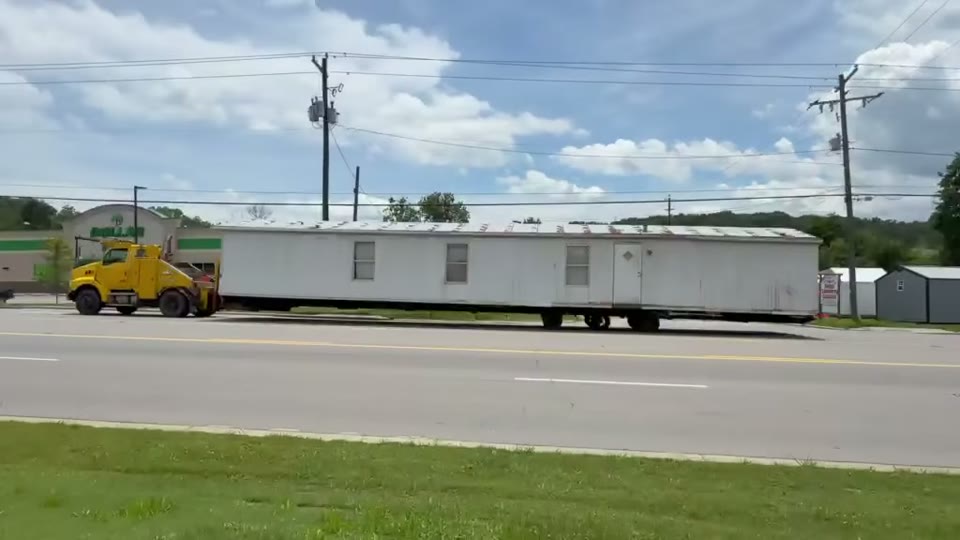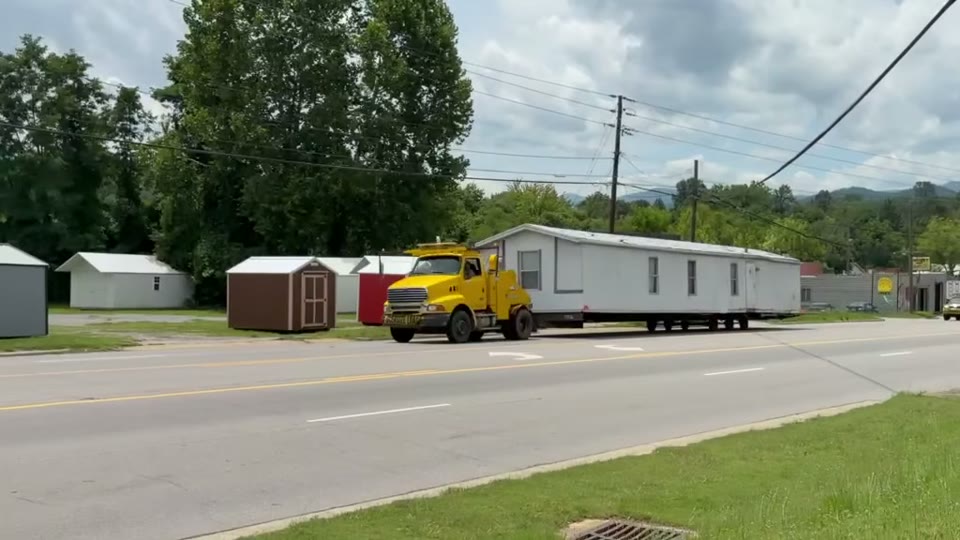
From delivery to a finished home
Henderson County's ridge-and-orchard countryside runs from Edneyville down through Etowah, where apple farms give way to wooded residential lots and flat bottomland near the Mud Creek corridor. When a flatbed rolls onto one of those lots, the work of installation has barely started. Getting a manufactured home from the truck to a finished, livable structure involves six overlapping stages, and every one of them matters for long-term performance.
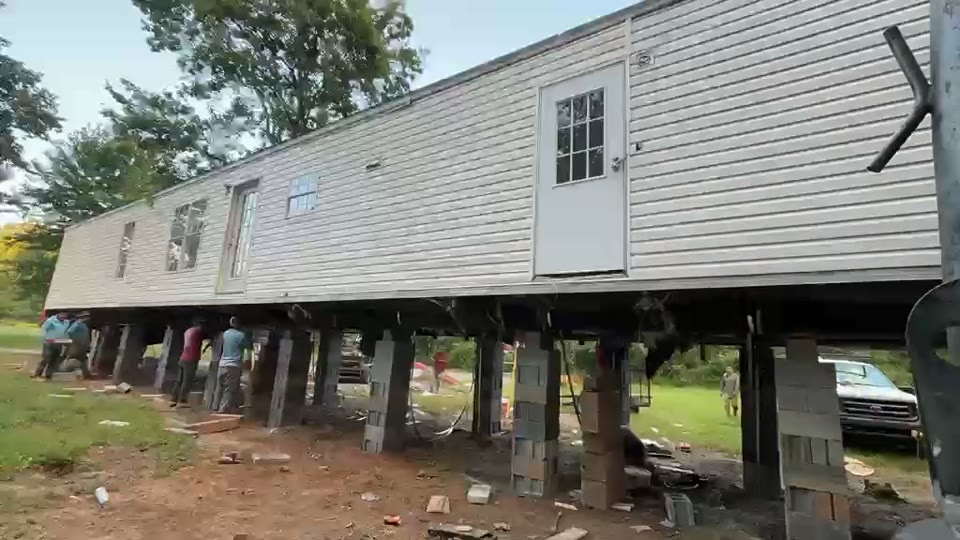
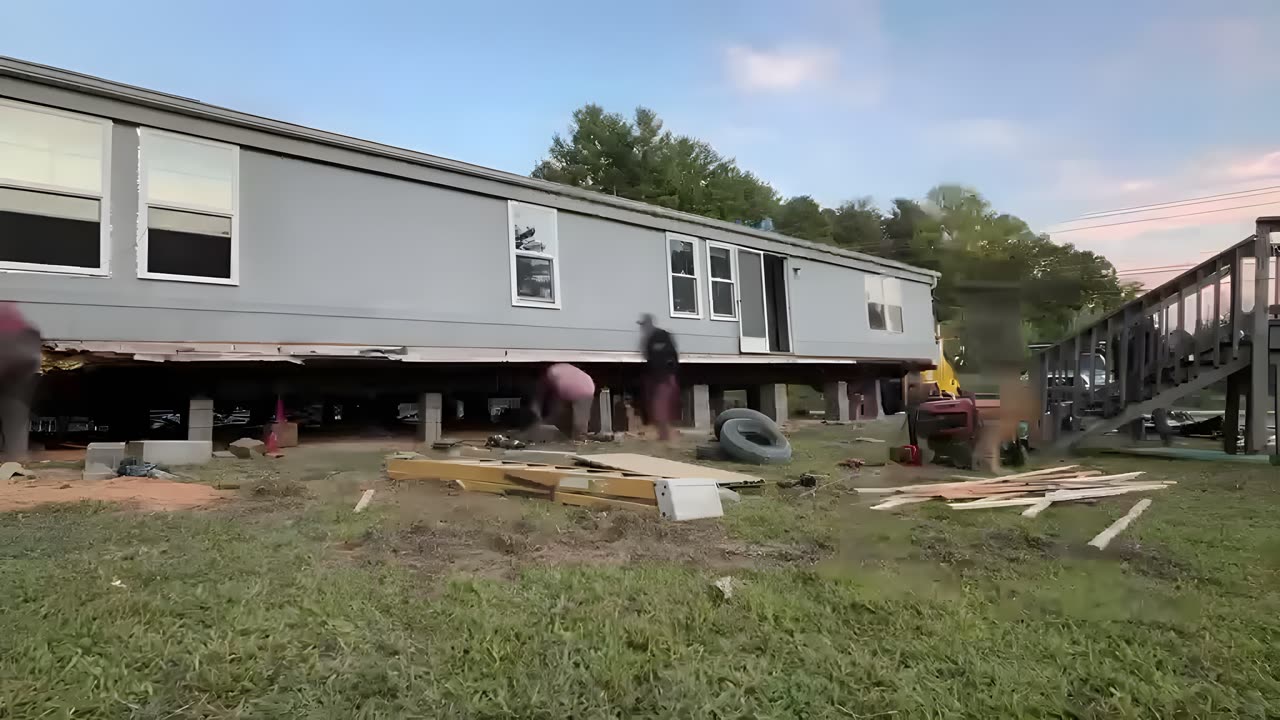
The sequence: site preparation comes first — clearing a stable pad, confirming grade, and placing footings or concrete pads. Pier placement and blocking come next, with spacing determined by the home's manufacturer specifications and the load table in the installation instructions. Leveling follows pier work; a home that leaves the factory floor level will not stay that way unless the blocking is set correctly. Anchoring is fourth, covered in detail below. Utility rough-in — electric, plumbing, and gas lines brought to the skirting opening — runs alongside or just after anchoring. Skirting closes the crawl space and matters more in Henderson County winters than installers from flatter climates often expect: a cold spell in January can freeze a poorly protected water supply line or leave condensation cycling under the home for months.
Each stage has its own checklist, and the county inspector will look at several of them before issuing a certificate of occupancy. For a full breakdown of what each step involves, the mobile home set-up and installation guide covers the scope in plain language.
Henderson County's installation checklist
Etowah sits in unincorporated Henderson County, which means your zoning approval comes from the county planning department, not a town hall. A manufactured housing application in this area typically requires a zoning determination letter confirming that the parcel and its lot size meet the applicable residential standards before a building permit is issued.
The Henderson County Environmental Health office controls the septic side. For a new home on an undeveloped lot, you need a septic permit and an approved site evaluation. For a replacement home on an existing lot, an affidavit showing the current system's capacity is usually accepted instead. Either way, Environmental Health sign-off comes before the building permit.
Water and sewer tap receipts from the relevant utility authority — or the equivalent documentation for well and private septic — are part of the building permit package. The permit itself is issued by Henderson County's building department and covers the installation, tie-down, and utility connection inspections.
Two additional permits travel with the home before it arrives. NCDOT Publication MH-2 governs the over-width move permit the transporter must carry; the hauler pulls this before the truck leaves the originating site. Separately, the county tax office requires a tax-paid moving permit under NCGS Chapter 105, Article 18 any time a manufactured home moves within or into Henderson County. Confirm that both are in hand before the flatbed departs.
Contractors who perform the installation must hold a manufactured housing license. The NC Manufactured Housing Board, under the Office of State Fire Marshal, sets licensing requirements and maintains a public lookup. Verify any contractor's license status there before signing a contract.
What setup costs in Etowah
Around Etowah, a standard single-wide installation typically runs $1,500 to $3,000 and a double-wide $3,000 to $6,000. Those ranges cover piers and footings, blocking, leveling, and the tie-down system. They do not automatically include site preparation, utility connections, or skirting — each is typically quoted as a separate line item. For a full regional breakdown, the mobile home installation cost guide for NC has statewide context and per-item ranges.
| Scope | Typical range | Notes |
|---|---|---|
| Single-wide set (piers, blocking, leveling, anchoring) | $1,500 – $3,000 | Flat to moderate grade |
| Double-wide set (piers, blocking, leveling, anchoring) | $3,000 – $6,000 | Includes marriage-wall leveling |
| Site preparation (add-on) | $300 – $900 | Clearing, grading, pad or footings |
| Utility connections (electric, water, sewer/septic) | Quoted separately | Varies by distance and jurisdiction |
| Vinyl perimeter skirting | Quoted separately | Varies by home perimeter |
Rolling grade is the single biggest cost variable on a Henderson County lot. A parcel that drops a foot or more across the width of the home requires taller pier stacks, more blocking, and sometimes additional footings to keep load distribution within code. A crew that quotes a flat-lot price on a rolling Etowah lot is not quoting the right job.
Wind zone, anchoring, and the storm record
Henderson County falls in HUD Wind Zone I under 24 CFR 3280.305, the baseline tier in the federal manufactured housing construction and safety standards. Zone I homes leave the factory anchored to that specification, and the tie-down system installed at setup must match or exceed the manufacturer's installation manual, which incorporates the Zone I engineering assumptions.
Anchoring matters more than it might seem from a calm afternoon in Etowah. Henderson County has seen 16 federally declared disaster events in the 1978-2026 record, including Hurricanes in 2023, 2020, and 2019 — successive events that drove wind and water across western North Carolina in a five-year span. The county's position in the upper watershed of the French Broad River system means tropical systems carry significant wind and rain energy well inland before they exhaust themselves. A home that is correctly blocked but under-anchored is the failure mode that shows up in the inspection record after those events.
The HUD Office of Manufactured Housing Programs publishes the full anchoring standards alongside the zone maps. The practical outcome for a setup crew in Etowah is that anchor count, spacing, and strap angle must match the installation manual page by page. If your home has been on this lot for years and has never had a formal anchor inspection, the mobile home leveling service in Etowah page describes what a re-level and anchor check involves.
Hiring for a Henderson County setup
The first question to ask any installer is whether they hold a current NC Manufactured Housing Board license. The NCMHB public lookup is free and takes under a minute. Licensing is not optional for installation work in North Carolina, and an unlicensed installation can complicate a certificate of occupancy, insurance claims, and a future sale.
Beyond the license, ask specifically about rolling-lot experience. Henderson County terrain varies more than most counties in the region, and a crew that works primarily on flat Piedmont sites may have the right license but not the right habits for a lot that grades toward the road or drains toward the home's perimeter. Ask for references on comparable terrain before committing.
Scope gaps are where most installation disputes start. Utility connections are the most common one: some quotes include running supply and drain lines to a stub-out at the skirting opening; others stop short of that. Skirting is another. Nail down in writing whether site preparation is included, what pier specification is being used, and what the inspection process looks like. A written scope is the difference between a finished home and a punch list that drags into the following month.