What a Hendersonville installation typically costs
Henderson County lots range from flat valley-floor parcels near downtown to hillside cuts off Kanuga Road, Upward Road, and the Flat Rock corridor — and that range shows up directly in what installation costs. A standard single-wide set on a prepared lot runs $1,500 to $3,000; a double-wide — with marriage wall alignment, a longer pier sequence, and cross-over connections — runs $3,000 to $6,000. Jobs toward the top of either range typically involve a noticeably sloped site, limited crew access, or an extended utility run from the meter.
| Scope | Typical Range |
|---|---|
| Single-wide: piers, pads, blocking, leveling, anchor straps | $1,500–$3,000 |
| Double-wide: piers, pads, blocking, marriage wall alignment, leveling, anchor straps | $3,000–$6,000 |
| Utility connections (water, electric, sewer or septic tie-in) | Quoted separately |
| Skirting installation | Quoted separately |
| Sloped-lot upcharge (taller pier run, extended materials) | Toward range top |
For a statewide view of where Henderson County jobs sit relative to other markets, see the NC mobile home installation cost guide.
The installation sequence: what actually happens at the lot
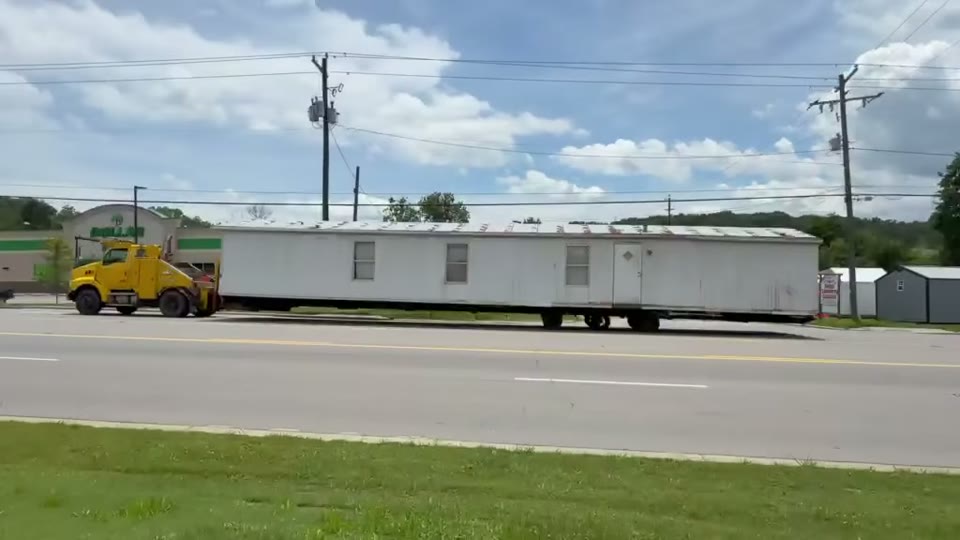
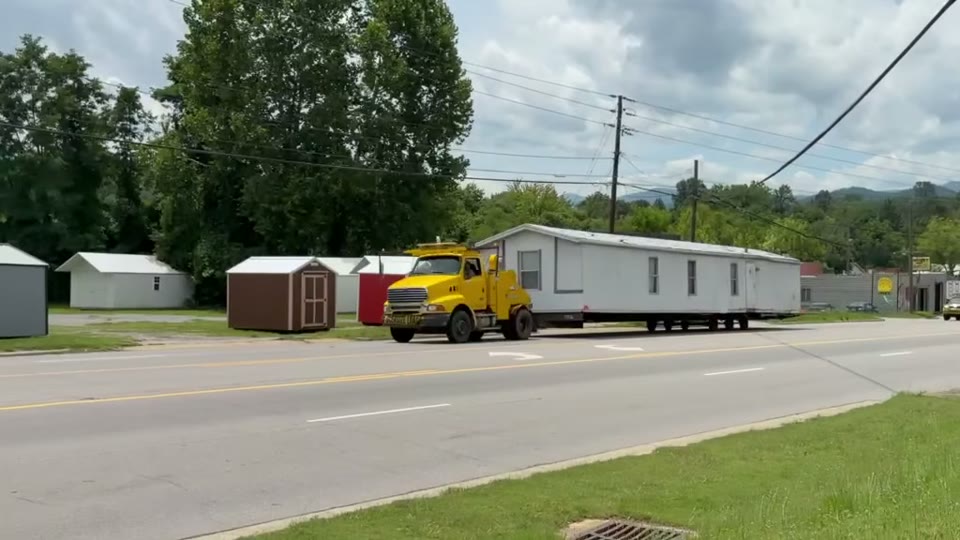
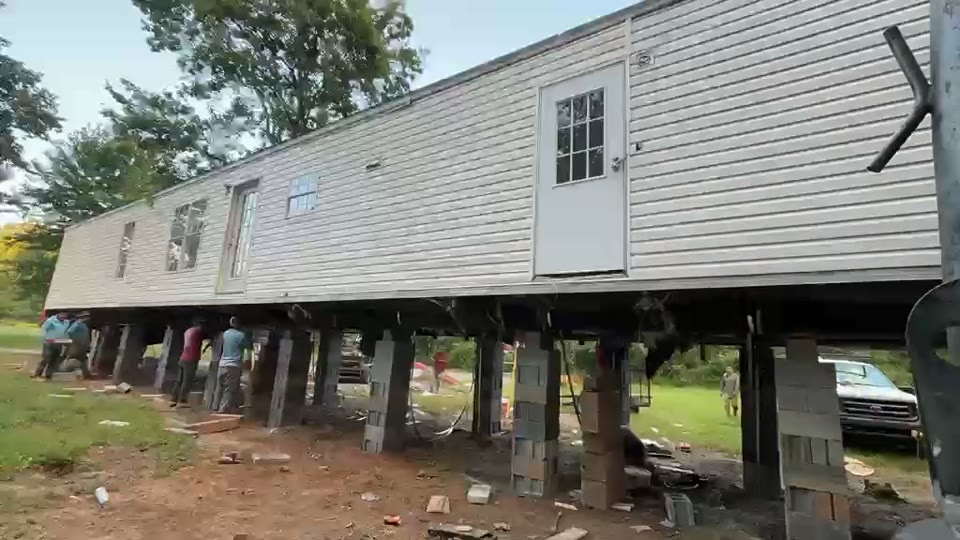
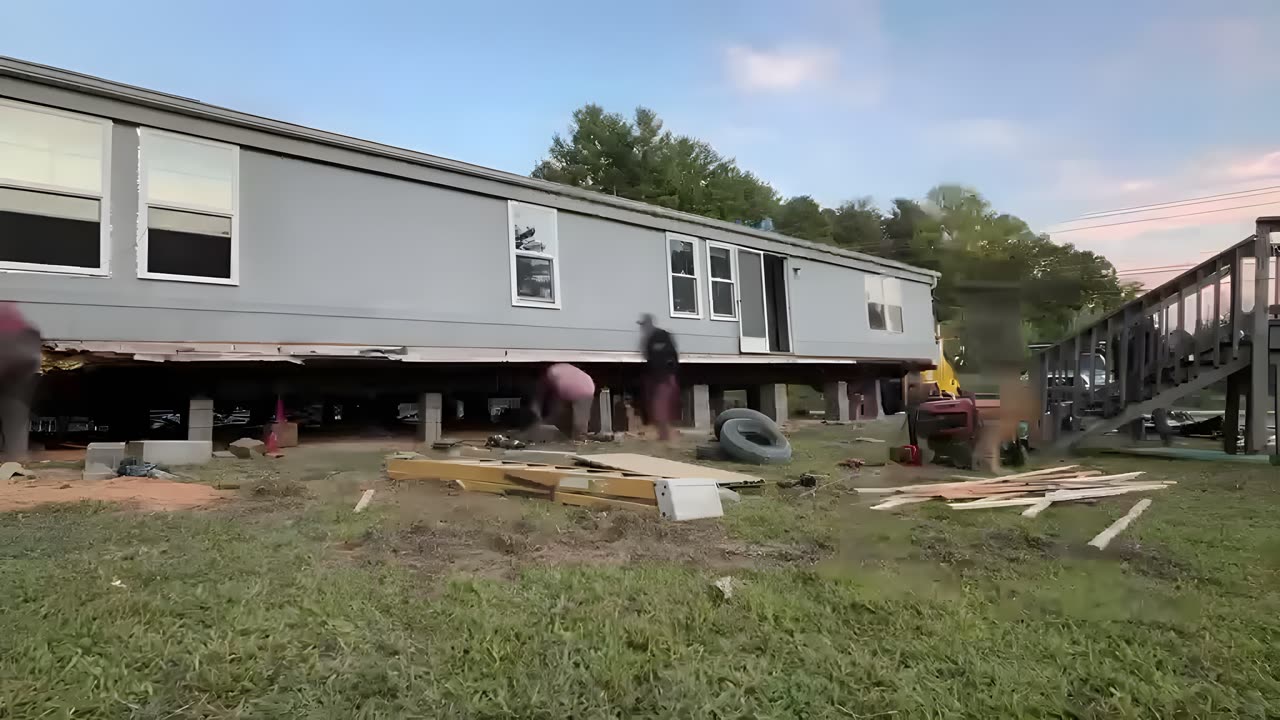
Mobile home installation in Hendersonville, NC is the sequence that begins when the transport truck leaves: site preparation, concrete pad placement, pier stacking, blocking, primary and secondary leveling, anchor strap installation, and then utility connections and skirting. Each step has a code or HUD standard behind it, and Henderson County treats it as a separately permitted scope from transport.
Any contractor doing setup work in Henderson County should be registered with the NC Manufactured Housing Board, which maintains licensing and training standards for manufactured housing contractors across the state. Asking for that registration is a reasonable first screening question before any work is scheduled — the board's records are public.
For a full walkthrough of each installation phase from pier layout to the final utility check, the mobile home set-up and installation guide covers the complete sequence statewide.
Henderson County's permit checklist before the first pier
The county's approval sequence runs several steps deep, and each step carries its own lead time. These permits need to be in place before installation begins:
Zoning clearance. For a parcel outside any town boundary, that comes from Henderson County Planning. Inside the Town of Hendersonville or the Village of Flat Rock, each jurisdiction issues its own approval. Manufactured homes fall under specific zoning categories, and some older homes face appearance or age standards that affect eligible parcels.
Environmental Health approval. A new septic system requires a permit from Henderson County Environmental Health before the building permit can process. An existing system typically requires a connection letter or existing-system affidavit from the same office.
Water confirmation. A county or municipal water tap requires meter availability confirmation. A private well requires a separate permit if the well is new.
Building permit (placement and setup). This authorizes piers, blocking, and anchoring. The licensed contractor typically pulls this permit on the owner's behalf.
Tax Assessor moving permit. For any home moving from one Henderson County parcel to another, a moving permit is required under NCGS Chapter 105, Article 18. This permit lives with the Assessor's office, not the building department — it is the step most frequently missed, and missing it makes the move technically unpermitted.
The transport phase has its own layer: the NCDOT oversize permit (Publication MH-2) belongs to the hauler. When separate contractors handle the haul and the setup, confirm in writing who pulls which permit before any truck moves.
Wind Zone I and the anchor strap requirement
Henderson County is classified as HUD Wind Zone I under 24 CFR 3280.305 — the standard administered nationally by the HUD Office of Manufactured Housing Programs. Wind Zone I is the lowest wind classification in the HUD system, but the southern Blue Ridge location gives that designation real weight. The county has recorded 16 federally declared disasters across 1978-2026, a record that includes Hurricanes in 2023, 2020, and 2019, a Tropical Storm in 2024, and a Winter Storm in 2026. The anchor requirement is not a formality.
Under the Zone I standard, the minimum number of anchor straps and their required spacing depend on the home's width, length, and roof load. A double-wide requires both frame anchors and over-the-roof straps in most configurations. Before anchor work begins, ask the crew for the planned strap count and spacing and cross-reference it against the home's installation manual — the manufacturer's specification and the HUD zone standard both govern. A setup that does not meet Zone I requirements will not pass Henderson County's installation inspection.
Hook-ups, skirting, and the first year after installation
Once the home is level and strapped, the final sequence begins: water line connection at the county or municipal meter, sewer or septic tie-in, and electrical service run from the meter base to the home's distribution panel. Each of those connections requires its own inspection in Henderson County — utility work is not covered under the placement permit and is reviewed by a separate county or state inspector.
Skirting closes the crawl space between the home's undercarriage and the ground. In the Blue Ridge climate that matters for two reasons: Henderson County winters are cold enough to freeze exposed pipes under an open home, and summer humidity accumulates under an unsealed crawl space in ways that accelerate pier-pad deterioration. Vented skirting is the standard; solid panels sometimes require additional vents to meet code.
Settlement is worth planning for. Clay-heavy soils on Henderson County hillsides shift after wet seasons, and a home that was level at installation can develop a measurable lean within the first year. A re-level check at twelve months costs a fraction of what drywall and door-frame repairs run once a home has been out of level for several seasons. The Hendersonville mobile home leveling page covers the signs to watch for and what a re-level involves.