Hollow roads and the terrain character of southeast Buncombe
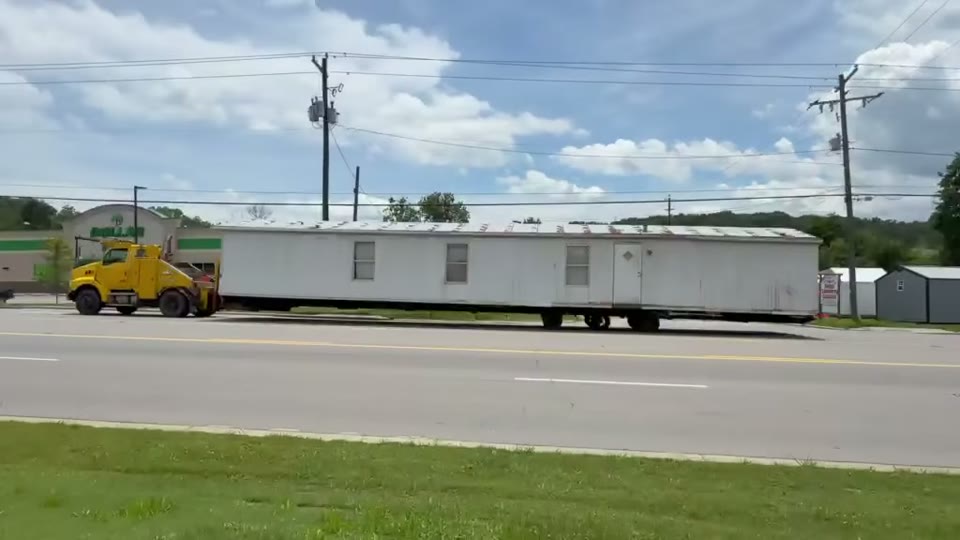
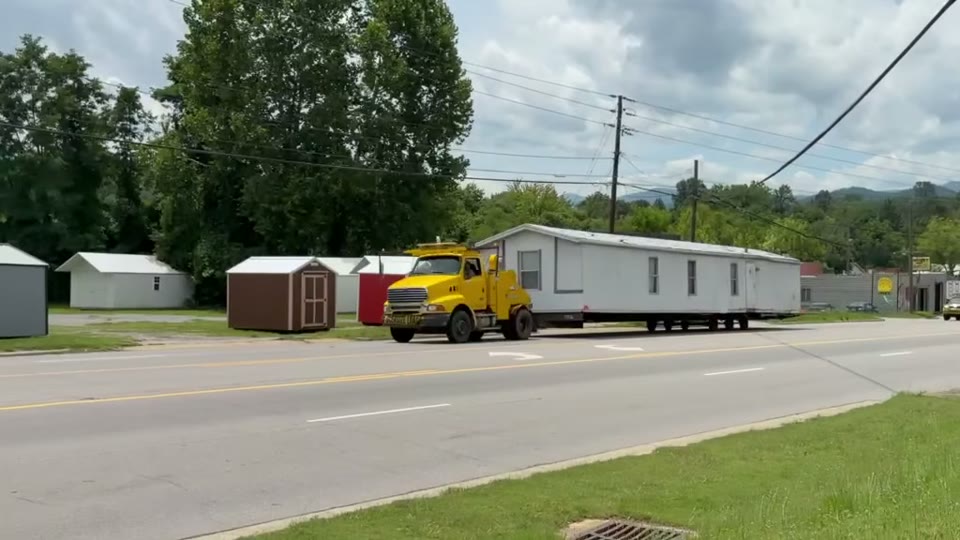
Fairview sits along US-74A on the southeast edge of Buncombe County, where the ridge lines tighten and residential lots tend to climb into the heads of hollows rather than spread across flat ground. Old farm tracks turned private drives, narrow cove roads, and dead-end approaches that a pickup handles easily — these are not uncommon here, and they are the first question any experienced crew asks before quoting a job in this part of the county.
A move that covers the same miles as a flatland Buncombe County job can cost noticeably more in Fairview because of the equipment required on a steep approach, the pilot car count for an oversize load on a winding two-lane, and the site work a destination may need before a home can be spotted. Jobs on routes off US-74A and the private drives that climb from it regularly carry line items that a flatland quote never shows. For the broader picture of what moves look like across the region, see mobile home moving in western NC.
Permitting for Fairview-area moves flows through Buncombe County Permits and Inspections in Asheville NC, at 35 Woodfin Street. The exception: if the destination is inside Asheville NC or Black Mountain town limits, those municipalities each run their own building permitting process.
What a Fairview move typically costs
Prices below reflect typical market ranges for Buncombe County; a written quote after a site visit is the only reliable number for your specific job. The steepness of the approach road, haul distance, road width, and whether a pier foundation is already in place at the destination all affect where a job lands in the range.
| Scope | Typical range |
|---|---|
| Single-wide transport, accessible route | $3,000 – $5,500 |
| Single-wide transport, steep or long private drive | $5,500 – $8,000 |
| Double-wide transport, accessible route | $7,000 – $10,500 |
| Double-wide transport, steep lot or complex approach | $10,500 – $15,000 |
| State transport permits (NCDOT) | Typically included in mover quote |
| Tax-paid moving permit | Typically included in mover quote |
| County building permit for installation | $150 – $400 (separate) |
| Site setup and installation | Separate — see setup costs |
Double-wide moves that require splitting sections at origin and re-joining on site land at the higher end because of labor time. Ask for a written scope that separates transport, permits, setup, and utility connections so bids can be compared on identical line items.
Permits the state and county require before a move
Three documents have to be in order before a licensed crew loads a home onto a transport rig.
The first is the state transport permit. North Carolina requires an oversize and overweight movement permit for any manufactured home traveling on a public road. NCDOT Publication MH-2 covers the application requirements, required clearances, and pilot car rules. Movers typically pull this permit, but confirm it is included in the written quote before signing.
The second is the tax-paid moving permit. Before a manufactured home can legally move to a new location, NCGS Chapter 105, Article 18 requires proof that property taxes are current or that the home is moving to a dealer's lot. The county tax office issues the receipt; it travels with the paperwork before the wheels turn.
The third is the county building permit. Buncombe County Permits and Inspections requires a permit for any manufactured home installed on a permanent site. The application asks for a site plan with setbacks, proof of water service (a utility letter, meter receipt, or county well authorization), and proof of sewer or septic service (an MSD approval or county Health Department septic authorization). Destination sites inside Asheville NC or Black Mountain town limits require a separate application to those municipalities.
Anchoring, utilities, and what the new site needs
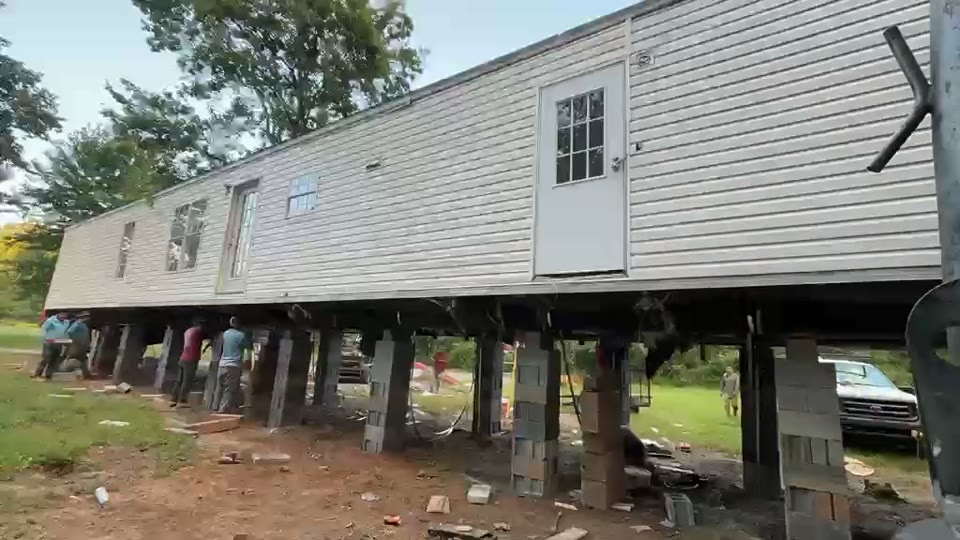
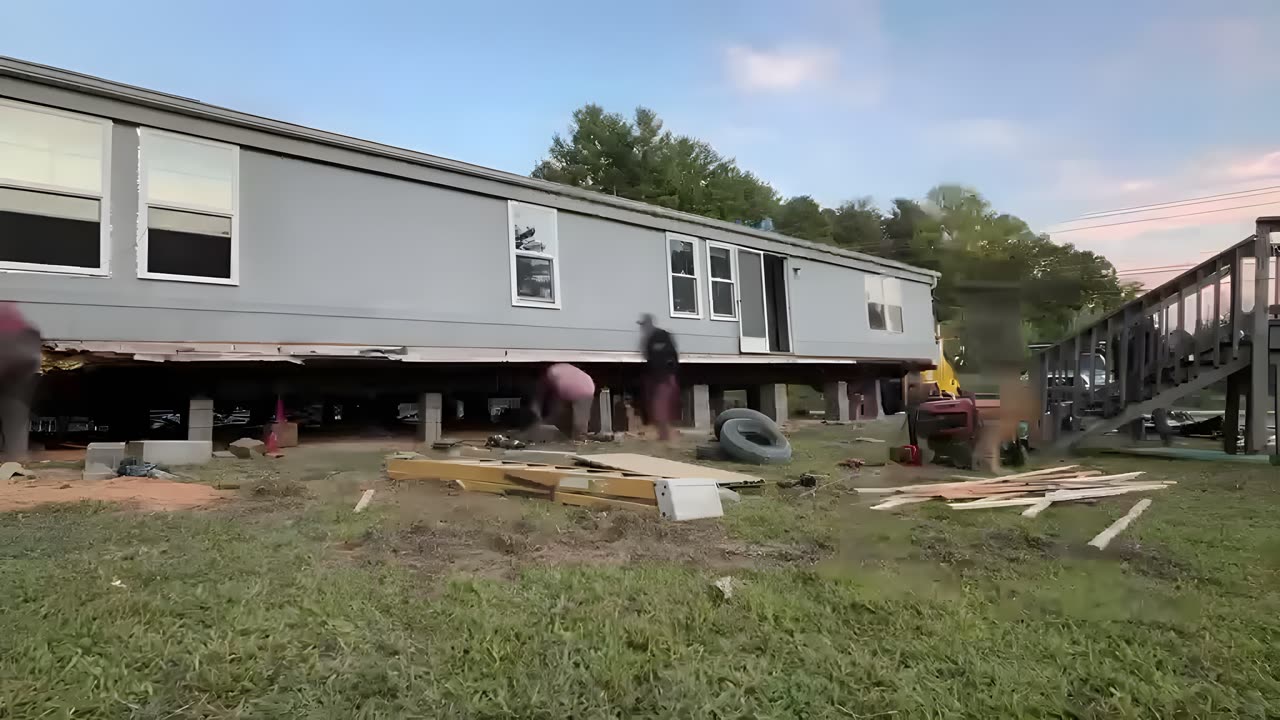
Moving the home is one contract; installing it at the destination is typically a second one. Buncombe County falls in HUD Wind Zone I under 24 CFR 3280.305, which sets the minimum anchor and tie-down specifications for any manufactured home installed in the county. Zone I is the baseline; homes on exposed ridge lots or at the open mouth of a cove may warrant a heavier anchor schedule, and any installer licensed by the NC Manufactured Housing Board can evaluate the specific site conditions before finalizing the system.
Buncombe County's storm record makes proper anchoring more than a formality. Federal disaster declarations have touched this county 19 times across 1973-2026, including hurricanes in 2020, 2021, and 2023, a tropical storm in 2024, and a winter storm in 2026. Homes anchored and blocked to current standards consistently fare better through these events than homes on temporary or undersized systems.
Utility connections — water, sewer or septic, and electric — typically follow the move and cannot be permanently connected until the home is on its foundation and the building inspection passes. The complete installation sequence is covered at mobile home set-up and installation. If the home being moved has sat on a site for several years, a re-leveling inspection before transport can identify frame stress worth addressing before the rig shows up.
Choosing a mover for a Fairview lot
North Carolina licenses manufactured home movers and installers through the NC Manufactured Housing Board, operating under the Office of State Fire Marshal. Ask any mover for their license number and verify it against the Board's active list. Ask separately for insurance certificates that cover the home during transport — a verbal assurance is not the same as written documentation.
Beyond licensing, the most relevant question for a Fairview move is whether the crew has direct experience with the road conditions along the US-74A corridor. A crew that primarily works flat county roads may underestimate the rigging, equipment, and time a tight cove approach requires. Any mover that quotes without inspecting both the origin site and the destination approach is pricing the best-case job, not yours.
Get at least two written bids and compare them line by line. A complete bid should show transport, permit costs (or confirm they are included), installation, and utility connections as separate items. When everything is bundled into a single number there is no way to evaluate what the quote covers or check it against a competing bid. The HUD Office of Manufactured Housing Programs publishes consumer guidance on selecting and evaluating licensed manufactured home contractors.