Farmland lots and what they add to your moving quote
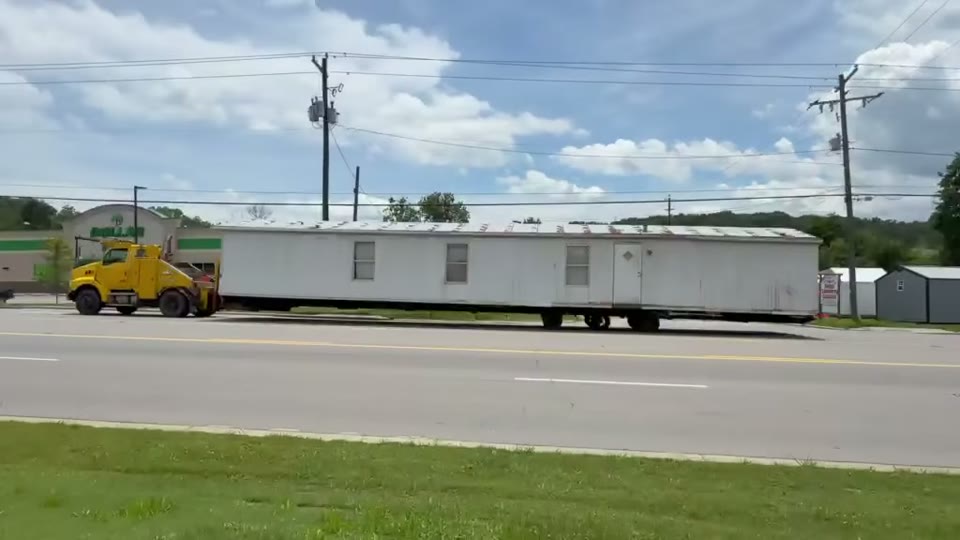
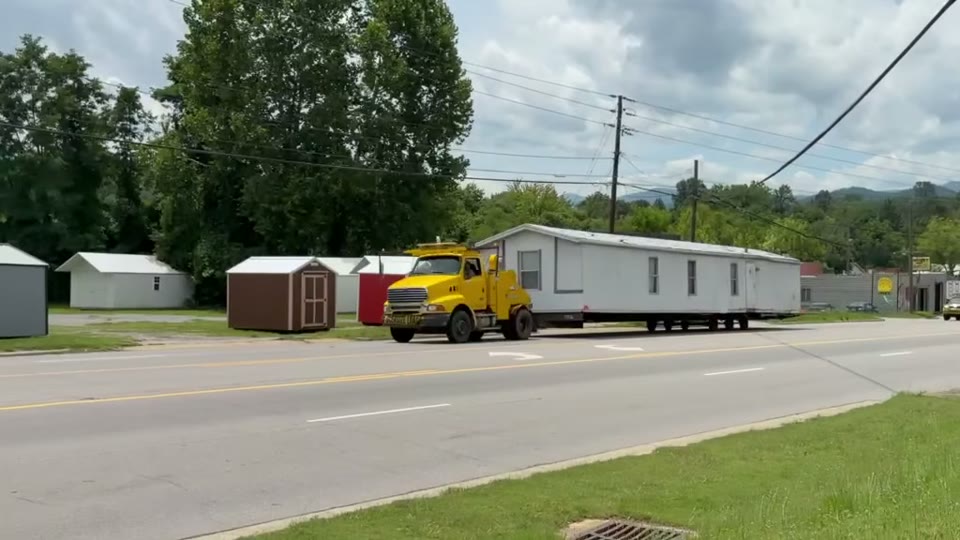
Mills River sits in the French Broad bottomland between Hendersonville and Brevard, where NC-280 and NC-191 run past Christmas tree farms, wholesale nurseries, and the kind of rural lots where driveways are gravel and lot boundaries are a row of hardwoods. Henderson County's rolling bottomland looks gentle from the road. The same agricultural soil that drains well in August can turn a loaded lowboy trailer into a stuck project in February or March when the water table rises and unpaved drives soften underfoot.
Route and access questions come before price questions here. A long gravel drive that narrows between mature trees, a seasonal creek crossing, or a driveway pitched more than a few degrees can add hundreds of dollars in site-access prep — costs easy to miss when comparing headline transport quotes. Mills River homeowners should ask for an in-person site visit before accepting any number, not after. For context on how Henderson County fits into the broader western North Carolina moving market, the western NC mobile home moving guide covers routes, terrain, and regional contractor patterns across the mountain counties.
What a move costs in Henderson County
In the area around Mills River, transport runs roughly $3,000 to $8,000 for a single-wide and $7,000 to $15,000 for a double-wide. Those are market ranges for the move itself; permits, site work, and setup are separate line items that determine the real number. The table below breaks a typical full-scope project into its parts so nothing arrives as a surprise when comparing bids.
| Scope item | Typical range |
|---|---|
| Single-wide transport, local (under 30 miles) | $3,000–$5,500 |
| Double-wide transport, local (under 30 miles) | $7,000–$12,000 |
| Single-wide transport, regional (30–80 miles) | $4,500–$8,000 |
| Double-wide transport, regional (30–80 miles) | $9,000–$15,000 |
| NCDOT oversize-load permit | $75–$250 |
| Site access and drive preparation (if needed) | $300–$1,200 |
| Blocking and pier setup at new site | $800–$2,500 |
| Anchor and tie-down installation (HUD Zone I) | $600–$1,800 |
A move quoted well below the low end of the transport range warrants close reading of what is and is not included. Rural Henderson County lots can require additional flagging, soft-ground recovery equipment, or a pilot car that flatland moves rarely need — costs that belong in the original quote rather than a change order after the home is already in the road.
Permits before the truck rolls
Any mobile home moving on a North Carolina state road is an oversize load and requires a permit before it moves. The governing document is NCDOT Publication MH-2, which covers routing requirements, timing windows, and load restrictions specific to mobile and modular homes on NC roadways. Moves through Henderson County along US-64 or the NC-280 corridor face seasonal weight restrictions on secondary roads and clearance constraints near low bridges that your mover should resolve before the permit is filed, not after.
The setup side of the project carries its own licensing layer. In North Carolina, anyone who installs a manufactured home must hold a license issued through the NC Manufactured Housing Board under the NC Office of State Fire Marshal. That license covers blocking, leveling, and anchoring at the destination site — not just transport. If your mover is also doing the installation, confirm they hold credentials for both activities. Henderson County's local building permit requirements for the installation come on top of the state licensing layer, and the NC Building Code Council maintains the residential standards that govern how manufactured homes are permanently sited and connected to utilities across the state.
Anchoring and setup at the Henderson County site
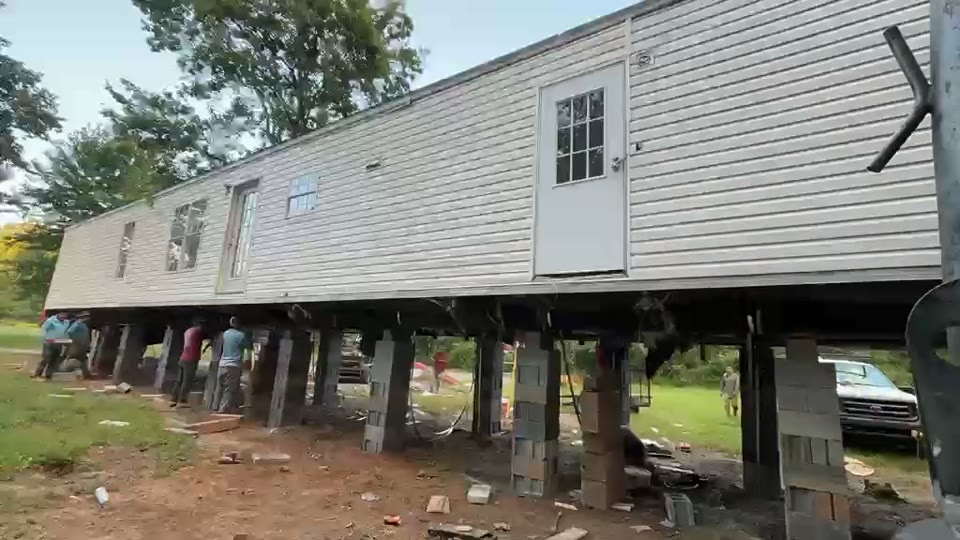
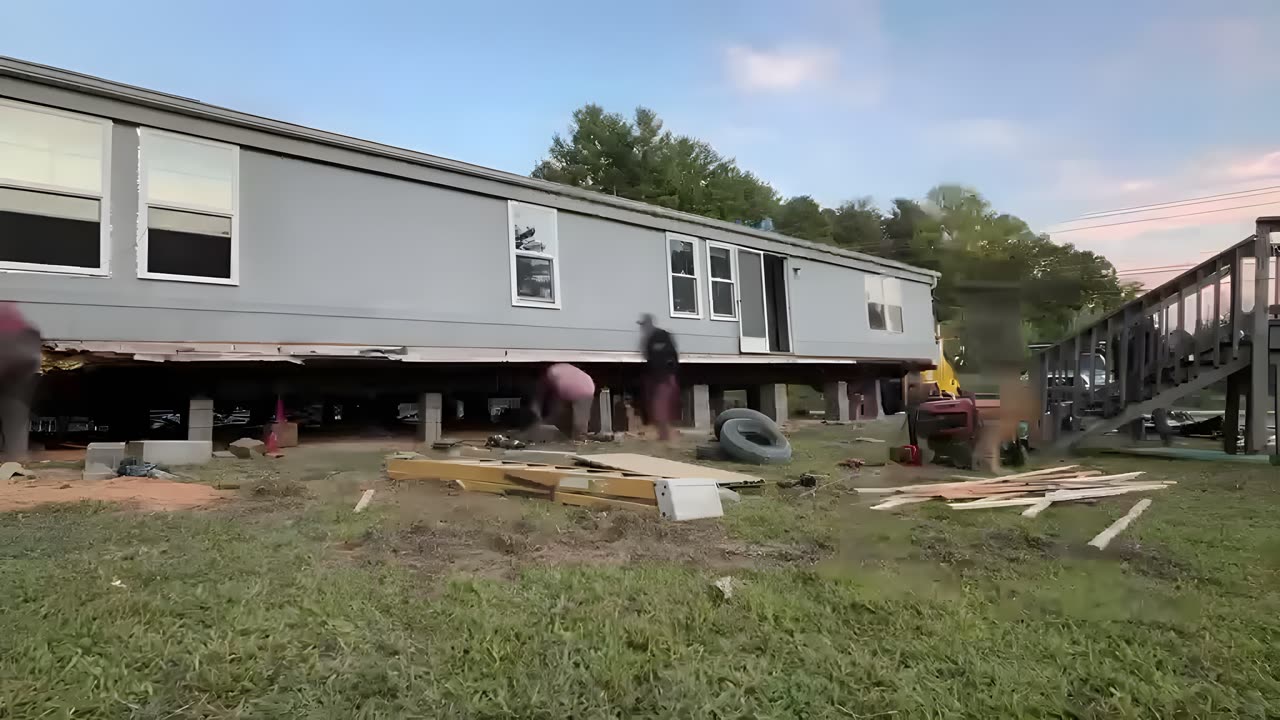
Henderson County falls within HUD Wind Zone I under 24 CFR 3280.305, the federal standard governing how manufactured homes are built and how they must be anchored at the installation site. Zone I is the baseline category, but baseline still means a documented anchor system — ground anchors, over-the-top straps or frame ties, and a spacing pattern matched to the home's dimensions and the soil class of the receiving lot. A licensed installer should confirm Zone I compliance and leave documentation before utility connections go in. The mobile home setup and installation guide covers what a complete installation looks like on a Henderson County lot.
Leveling is not a one-time event on this county's soil. Henderson County's seasonal moisture pattern, wet winters and dry summers in the French Broad drainage, means a home set in early spring can show soft spots or minor settling within the first year. The mobile home re-leveling service page covers the signs to watch for and what the inspection process involves.
The county's storm record gives anchoring real stakes. Henderson County has logged 16 federally declared disasters across 1978-2026, a span that includes recent hurricanes and tropical storms bringing sustained winds and saturated ground. The National Weather Service mobile home tornado guidance is direct: a properly anchored home in Zone I performs fundamentally differently from one where tie-downs were skipped or undersized. That documentation belongs in the installation record before the home is occupied.
Questions worth asking before signing anything
Three Henderson County checks before a deposit changes hands. First: how does the crew handle soft-ground access? A gravel drive that looks fine in a photo can stop a transport job if the trailer sinks on approach and no plan exists for ground stabilization or an alternate entry point. Ask for specifics — not just whether it has been done before, but what the recovery plan is if lot conditions are worse than the site visit showed.
Second: does the quoted scope cover transport only, or installation as well? Under NC rules, transport and installation are distinct licensed activities under the NC Manufactured Housing Board, and not every mover who can move a home holds an installer's license. On a rural Mills River lot with a well and septic system, utility reconnection adds a further coordination layer — confirm it is accounted for in the project plan, not handed off informally to a third party after the home is set.
Third: ask for references on comparable site conditions — long unpaved access, sloped entry, or wet-season timing. Mills River's terrain is not extreme by western NC standards, but it differs from a flat subdivision lot in ways that matter when the home is in the road and the clock is running.