After the haul: what installation covers on a Sylva lot
Sylva sits where the Tuckasegee River valley pinches between ridgelines, and most residential lots here carry some grade. A lot on the flat bottomland near downtown and a cut lot halfway up the ridge above it may sit within walking distance of each other but call for very different pier counts and site prep. That variation is the single biggest factor in where a Jackson County installation job lands inside the typical price range.
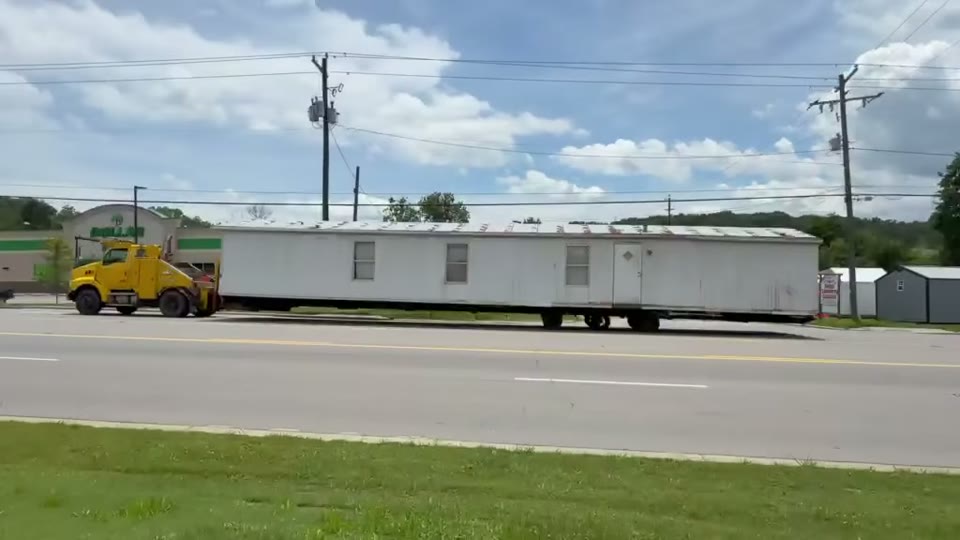
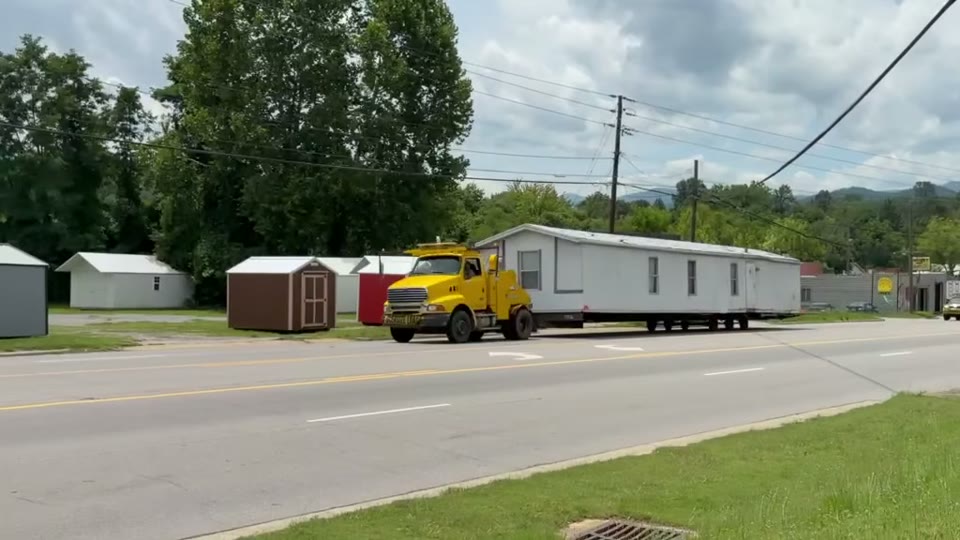
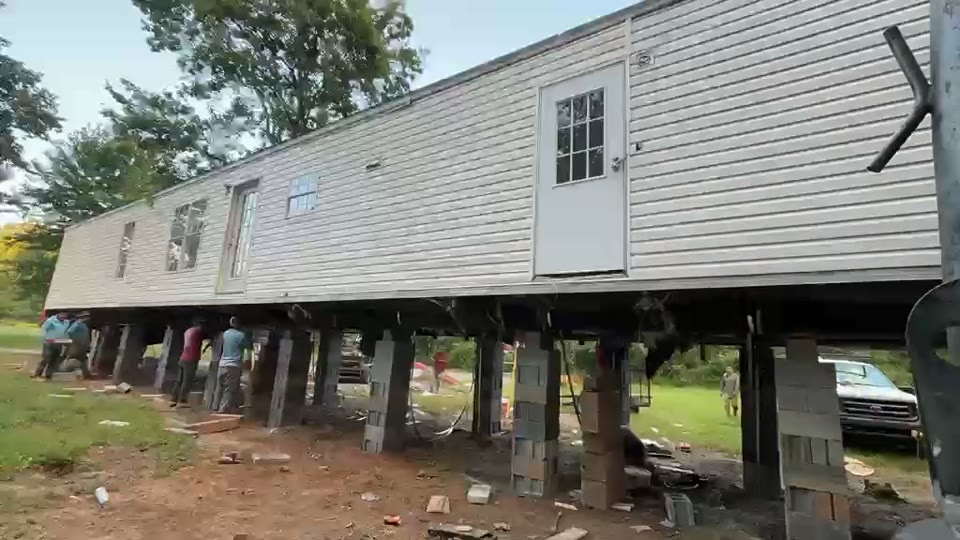
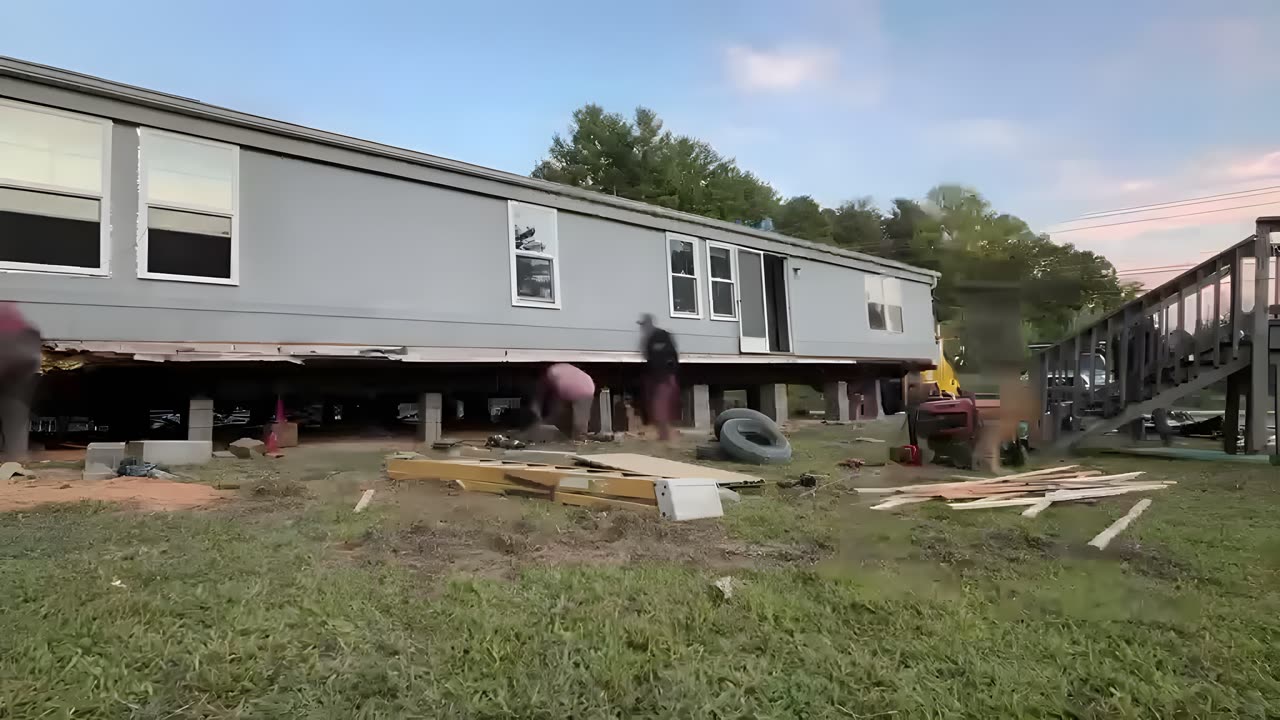
Mobile home installation in this market begins the moment the hauler pulls away. The sequence runs in a fixed order: site prep and pier or concrete pad placement, blocking and bearing, precision leveling (cross-level and long-level both), marriage wall work on double-wides, anchor and tie-down installation, utility connections at the home side, and skirting. Each step depends on the one before it: you cannot level a home on piers that are not fully set, and you cannot certify anchoring until level is confirmed and recorded.
The complete breakdown of what each phase involves statewide is on the mobile home set-up and installation overview. The rest of this page covers what changes in Jackson County: the terrain, the permit sequence, and the town-by-town jurisdictional detail that catches buyers off guard.
The Jackson County permit sequence
Jackson County Permitting and Code Enforcement administers the land development permit that has to be approved before any home is set. The sequence follows a fixed order: land development permit first, then an approved sewage disposal method (either a county-approved septic permit or a confirmed connection to a public or community sewer), then a utility letter if the lot is served by a community utility provider, and zoning sign-off inside any applicable zoning district.
Manufactured homes placed in North Carolina also require a state setup permit through the NC Manufactured Housing Board, administered by the NC Office of State Fire Marshal. That permit and the Jackson County land development permit are two separate documents. Both are required before a home is occupied, and a state-licensed installer must pull the setup permit.
For homes being relocated, two more documents apply: the oversize or overweight transport permit from NCDOT under Publication MH-2, and if the home is carried as real property in its current county, the tax-paid moving permit required under NCGS Chapter 105, Article 18. The county tax office handles that second document; it is easy to overlook until closing day surfaces it as a problem.
What the work typically costs around Sylva
Terrain is the cost variable that matters most in this area. A single-wide on a level lot with a short utility run represents the floor of the range; a double-wide on a sloped lot with an extended utility connection and masonry skirting pushes toward the ceiling. The table below shows typical market ranges by scope for the Sylva area. For statewide line-item cost data, see the NC mobile home installation cost guide.
| Scope | Typical range |
|---|---|
| Single-wide set, level lot, pier system | $1,500 – $2,200 |
| Single-wide set, sloped lot, pier system | $2,200 – $3,000 |
| Double-wide set, level lot, pier system | $3,000 – $4,200 |
| Double-wide set, sloped lot, pier system | $4,500 – $6,000 |
| Vinyl skirting (per linear foot, market range) | $8 – $20 |
| Re-leveling after initial settling | See Sylva leveling page |
Utility connection costs for water, sewer, and electric depend on the distance from the home's stubs to the site rough-in and vary too widely by lot to include in the table above. Get that number from your utility contractor before finalizing your installation budget.
Anchoring and wind zone in the Blue Ridge Mountains
Jackson County sits in HUD Wind Zone I under 24 CFR 3280.305. Wind Zone I is the lowest wind-pressure classification in the federal manufactured housing framework, and it sets the minimum specification for anchor spacing, strap configuration, and ground anchor type. A licensed installer is required to follow the anchoring pattern specified on the home's HUD data plate, which reflects the manufacturer's design loads for that unit.
Mountain terrain around Sylva introduces local variation that flat-terrain Zone I tables do not fully anticipate. Gap winds funneling through the Tuckasegee corridor and along the ridges north of town can produce localized pressure that generic zone numbers underestimate. On a hillside installation, the uphill-side anchors carry a different load profile than the downhill side, and an installer who has worked WNC slope lots specifically understands where to apply conservative judgment within the Zone I framework.
Jackson County has 17 federal disaster declarations on record spanning 1973-2026, with major storm events in 2020, 2021, 2023, and 2024, plus a winter storm in early 2026. Those events tested anchoring systems and drainage conditions across a range of installation vintages. Homes set to current HUD Zone I specifications and properly drained came through those events; older or loosely anchored installations showed the difference in ways that were expensive to correct.
Jurisdiction by parcel: Sylva, Dillsboro, Webster, and Forest Hills
The incorporated towns around Sylva, the county seat, are Dillsboro, about two miles west, Webster, about two miles south, and the village of Forest Hills by Cullowhee. Inside town limits, the town's own land-use rules apply, and they can treat manufactured home placement differently from the county's.
The practical complication: a parcel with a Sylva mailing address may sit inside the town limits or out in unincorporated Jackson County, and the two follow different permit and zoning paths. The line between them appears on a GIS parcel map, not a street sign. Before negotiating a land purchase intended for a manufactured home, confirm which jurisdiction governs the parcel with Jackson County GIS or the relevant town's planning office. That check affects whether a manufactured home is permitted by right, conditional, or prohibited on that specific parcel.
Zoning is local, but the building code side is statewide: the NC State Building Code Council sets the codes every one of these jurisdictions enforces. Confirming zoning before earnest money is down is the lower-cost path.