South Buncombe roads and what shapes a move
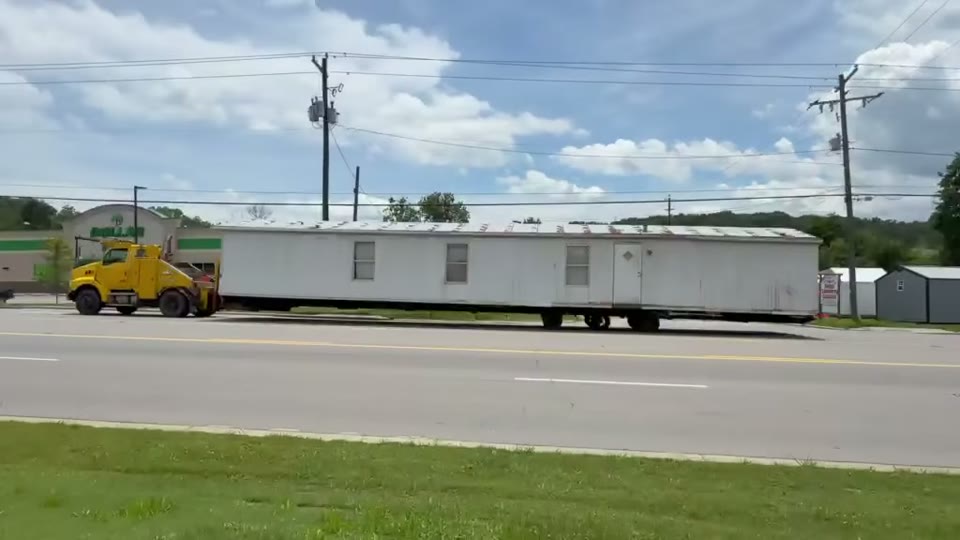
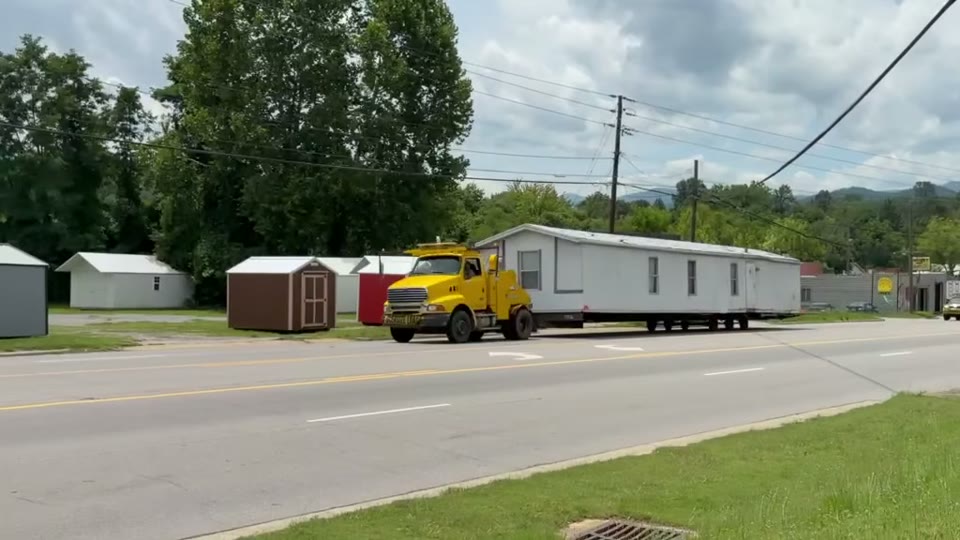
Arden runs along US-25, one of the busiest commercial corridors in Buncombe County, with the I-26 interchange less than two miles from most of its mobile home parks. That proximity is a practical advantage for long-haul moves — the interstate ramp is close — but the stretch between park and ramp is the variable. US-25 through Arden carries steady commercial traffic, signal timing that is not designed for wide loads, and park entrance turn radii that can require a spotter vehicle and advance coordination with the state. A move out of a tight lot off Airport Road looks nothing like one off Long Shoals Road, and movers who have run this corridor plan the specific route before they quote the specific job.
Arden's housing stock reflects South Buncombe's growth: parks established in the 1970s and 1980s sit alongside newer land-lease communities, and single-wides from that era keep moving — to private land when families buy acreage in the Mills River area, to new parks when a site closes, or across county lines when economics shift. Double-wides take more routing work; moving one through an active commercial zone along a county arterial requires the kind of pre-scouting that separates a clean one-day move from a delayed one.
For the wider regional picture, see our guide to mobile home moving in Western NC.
What a move costs in the Arden area
The ranges below reflect typical market pricing in South Buncombe and the surrounding area. Transport and setup are separate scopes; a quote that combines both should break them out line by line.
| Scope | Typical range |
|---|---|
| Single-wide transport, under 15 miles | $3,000 – $5,500 |
| Single-wide transport, 15–50 miles | $4,500 – $8,000 |
| Double-wide transport, under 15 miles | $7,000 – $10,500 |
| Double-wide transport, 15–50 miles | $9,500 – $15,000 |
| Disconnection and utility tie-off | $300 – $900 |
| Skirting removal and reinstall | $400 – $1,200 |
| Leveling and blocking at new site | $600 – $2,000 |
| Tie-down and anchoring (Wind Zone I) | $800 – $2,500 |
| Permits — NCDOT transport plus county installation | $150 – $450 |
Land purchase, utility hookups, and foundation work fall outside every range above. A quote that appears below the low end of transport typically excludes permits, disconnection labor, or destination-site preparation. The full setup and installation page covers what a complete Buncombe County installation involves.
Permits before the wheels turn
Moving a manufactured home in North Carolina requires an oversize/overweight permit from NCDOT before the truck leaves the lot. NCDOT Publication MH-2 governs the process: permitted dimensions, escort requirements, and movement windows that apply to any mobile or modular home move in the state. For a double-wide moving through the Arden area, that typically means a transport permit, advance notification to utilities with lines over the planned route, and in some cases a pilot car for sections of US-25 where overhead clearance or lane width is restricted.
At the destination, the installation permit is a separate filing — processed through Buncombe County's building inspection office, not bundled with the transport permit. That permit triggers the inspections that confirm the installation meets state standards. The NC Manufactured Housing Board, operating under the NC Office of State Fire Marshal, sets those standards: contractor licensing thresholds, inspection sequences, and what qualifies as a legal installation in North Carolina. Confirm the destination site is permitted and physically ready before scheduling the move; a home that arrives at an uncleared site generates storage and scheduling costs that compound quickly.
Getting the setup right at the destination
Transport ends at the lot line; the work that determines how a home performs over the next decade starts after the truck leaves. Leveling, blocking, anchoring, and utility connection are separate scopes, each with a code requirement behind it.
Buncombe County sits in HUD Wind Zone I under 24 CFR 3280.305 — the federal standard governing manufactured housing construction. That designation sets the minimum tie-down and anchoring requirements for any home installed in this county: the number and spacing of anchors, and the soil load ratings they need to achieve. An installation that does not meet Wind Zone I requirements will not pass the Buncombe County inspection that clears the home for occupancy. The set-up and installation page covers what a compliant installation in this county involves, step by step.
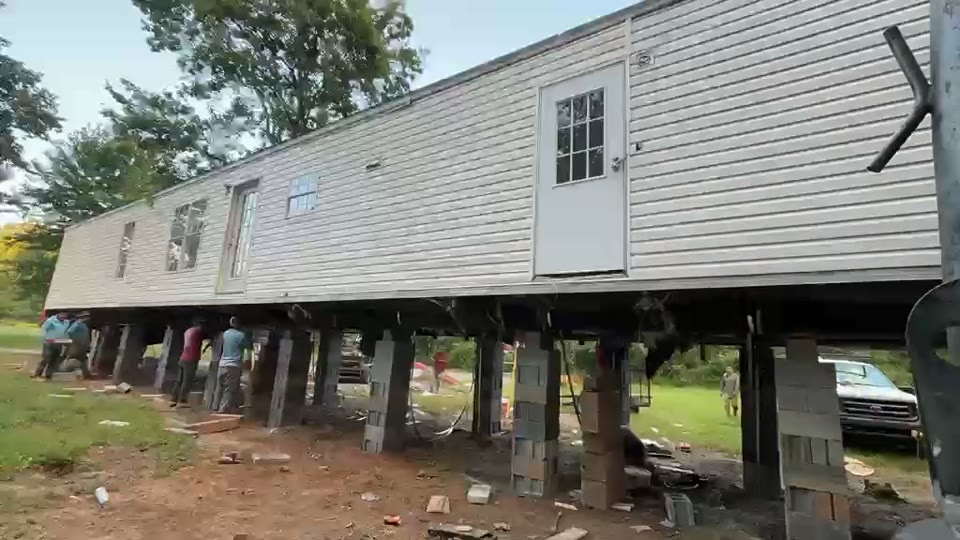
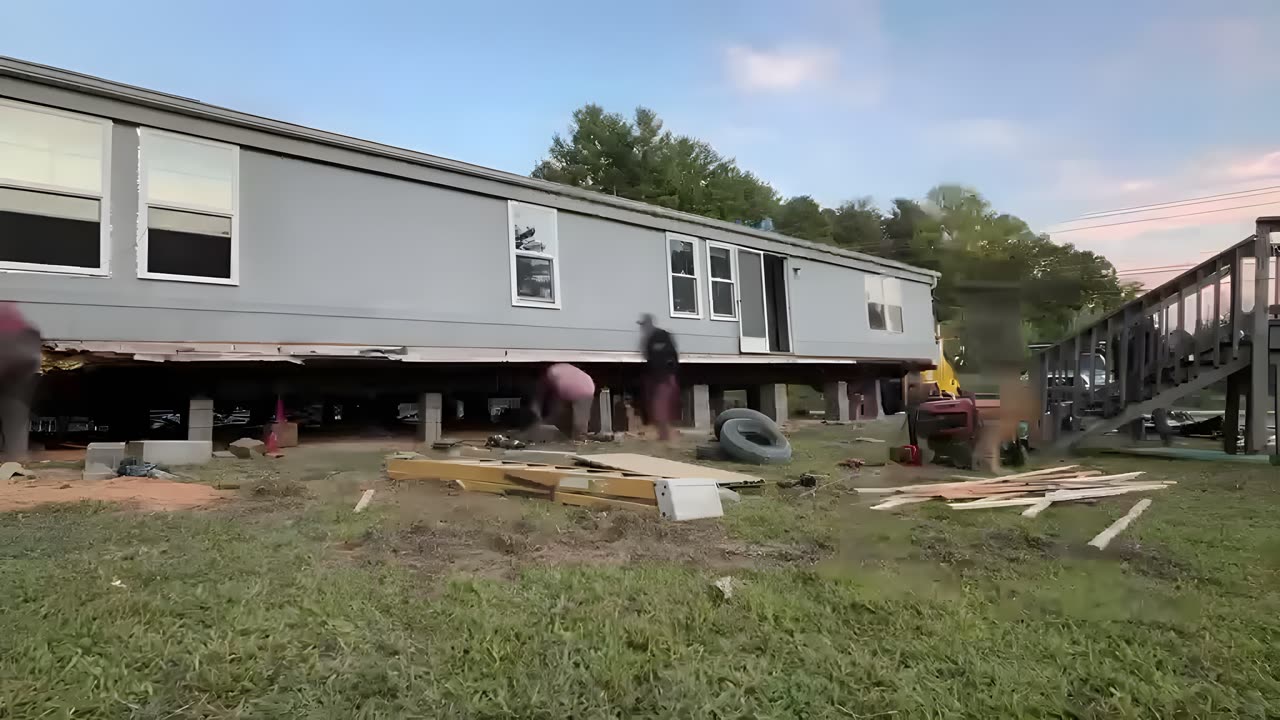
Homes moving from older lots may need new blocking if the original pier configuration does not match the new site's grade. South Buncombe has enough topographic variation — even within Arden's relatively flat US-25 corridor — that a level receiving lot is worth confirming before move day. A site assessment settles whether the land needs grading and whether the home's condition will hold the move without reinforcement at the marriage wall or chassis. If the home has been sitting off-level for any period, the move is the right time to address it; see mobile home re-leveling for when that work is a separate scope versus bundled into a full setup.
Storm history and what it means for anchoring
Buncombe County has 19 federally declared disaster events on record (1973-2026), including a Winter Storm in 2026, a Tropical Storm in 2024, and Hurricanes in 2023, 2021, and 2020. Manufactured homes — with relatively light construction and large surface area — carry more weather exposure than site-built structures in those events. The National Weather Service tornado safety guidance is explicit: during a tornado warning, no manufactured home is a safe shelter, and residents should know the location of the nearest permanent structure before severe weather arrives.
The practical takeaway for a move is sequencing. HUD Wind Zone I compliance is not paperwork — it is the anchoring system that keeps a home in place when storm loads test it. A home that arrives at a new Arden site and sits unanchored during the permit and inspection window carries real exposure; keeping that interval as short as the schedule allows is worth building into the move plan.
What to ask any mover before you sign
The NC Manufactured Housing Board licenses contractors who install manufactured homes in North Carolina; transport and installation are separate license categories. Ask any mover which phases they are licensed for, and who handles the phases they are not — subcontracting installation is common and not inherently a problem, but the homeowner needs to know who is responsible for each scope and who pulls each permit.
Ask to see the NCDOT permit before the truck leaves the lot. That document confirms the state approved the route and dimensions, and it creates a paper trail if a road incident raises a liability question. Ask specifically about the route through Arden: a mover who can describe the overhead clearance constraints on Airport Road and the NCDOT movement windows for the US-25 corridor has actually planned the job.
For older homes, the EPA's guidance on formaldehyde and indoor air quality is worth reviewing before a move disturbs original materials. On-site installation work — blocking, anchoring, structural bracing — is subject to the NC Department of Labor's construction safety program.