What a Marion set actually costs
Marion sits on the floor of the upper Catawba River valley, where the Blue Ridge and Black Mountains rise along the county's western wall and the South Mountains define its southern boundary. Most town lots are level or gently sloped; hillside lots off US-221 and the ridges rising toward Linville Gorge climb steeply and quickly. That terrain spread drives most of the cost variation you will see quoted for a set job in this county. McDowell County recorded 524 manufactured housing permits from 2019 through 2026 — that volume means contractors working here have already dealt with the soil conditions, lot configurations, and inspector expectations specific to this valley. For a full NC-wide breakdown by scope, see the mobile home installation cost guide for NC.
| Scope | Typical Range | Notes |
|---|---|---|
| Single-wide installation (piers, blocking, leveling) | $1,500 – $3,000 | Valley-floor lots at lower end; sloped fills near top |
| Double-wide installation (piers, blocking, leveling, marriage wall) | $3,000 – $6,000 | Marriage wall alignment and ridge work add labor |
| Tie-down and anchor system | $300 – $800 | Wind Zone I per 24 CFR 3280.305; required at every setup |
| Utility connections (water, sewer, electrical) | $800 – $2,500 | Distance to mains and site access drive range |
| Vinyl skirting | $400 – $1,200 | Perimeter footage and grade clearance vary |
| Steps and landing | $250 – $800 | Per entry point |
Piers, pads, and blocking: what the ground determines
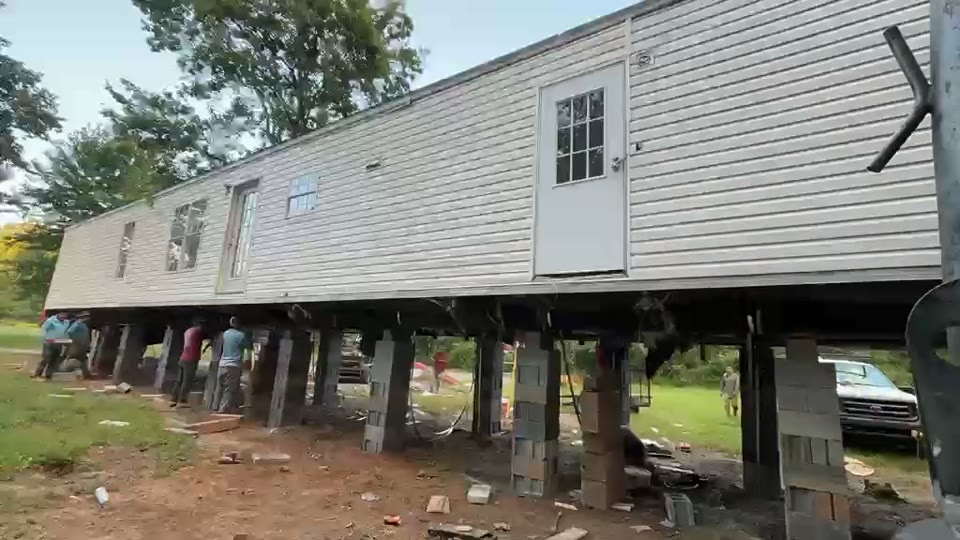
Every setup begins below the home. In Marion, valley-floor lots on stable alluvial soils typically support a concrete pad or precast block footing system; blocks stack to grade and carry the home's frame rails without deep excavation. Hillside lots on cut-and-fill soil are a different calculation — fill compaction varies, seasonal moisture in the Catawba basin still moves things, and a setup crew that has worked McDowell County lots will size pier depths accordingly rather than applying a single standard depth to every job.
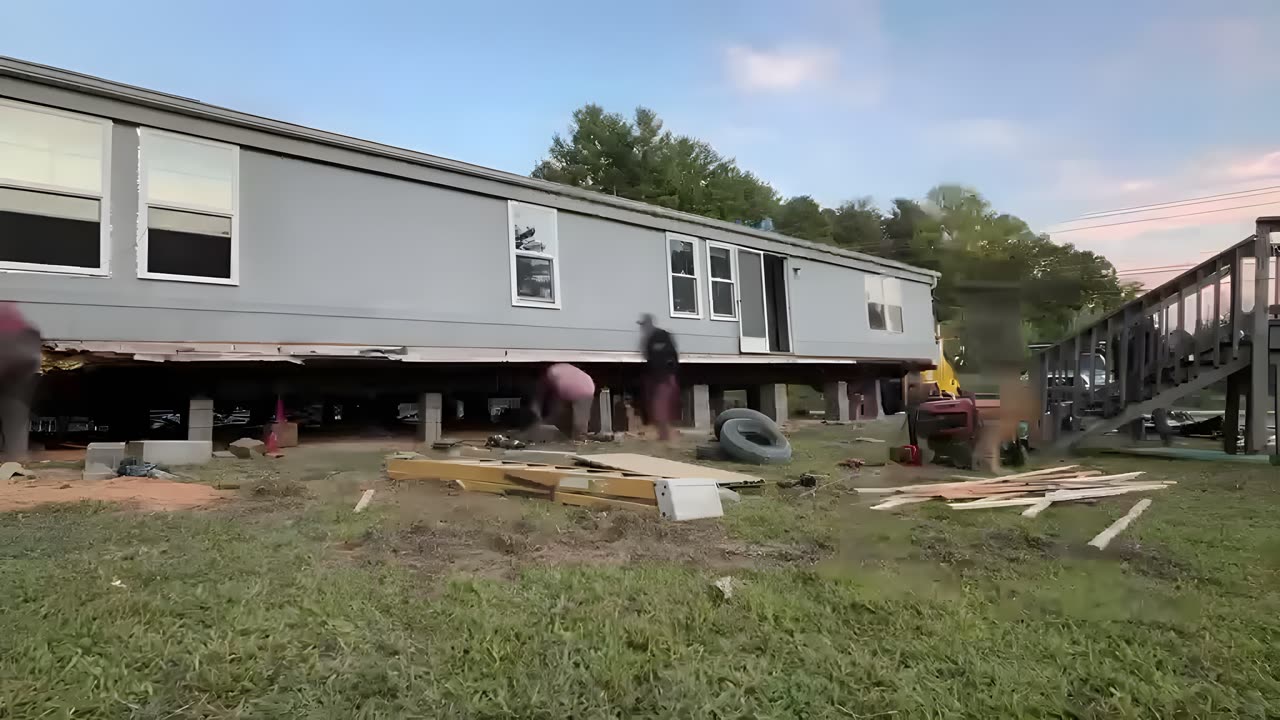
Blocking runs from the footing pads up to the home's frame rails, set under the main beams at intervals specified by the manufacturer's installation manual. That manual is required under HUD's manufactured housing installation standards and governs pad size, pier spacing, and blocking height for every home regardless of its age. Leveling is completed after blocking, shimming the frame rails to within the tolerances the manual specifies.
For a double-wide, blocking also has to account for the marriage wall — the center joint where two sections meet. That joint must be aligned and shimmed before interior finish work can begin. On a sloped lot where each section may have settled differently during transport, that alignment adds meaningful labor and is one reason double-wide sets in hilly McDowell County terrain tend toward the upper end of the range. A complete overview of what setup scope covers is at the mobile home set-up and installation guide.
Anchoring under Wind Zone I
McDowell County is classified as HUD Wind Zone I under 24 CFR 3280.305. That classification sets minimum anchor counts, strap angles, and rated loads that every manufactured home installed in this county must meet. The home's data plate — found inside a kitchen cabinet or utility closet in most homes — states the zone the home was built for, and the anchor system must be matched to it.
The anchor-and-strap system typically consists of ground anchors driven to the manufacturer's specified depth and rated resistance, connected by straps that run diagonally over the frame at intervals determined by the home's length and the soil conditions at the site. Uniform soil cannot be assumed across McDowell County lots; a setup crew working a valley-bottom lot versus a hillside cut on weathered fill is dealing with two different anchor problems.
McDowell County's federal disaster record spans 19 declared events over 1973-2026, including hurricanes in 2019, 2020, and 2023, a tropical storm in 2024, and a winter storm in 2026. The Catawba valley channels storm drainage and wind in ways that a bare Zone I minimum does not fully capture for every lot configuration. A properly anchored home on a prepared site held through those events; under-anchored homes on poorly drained fill soils did not.
The permit paper trail before and after move day
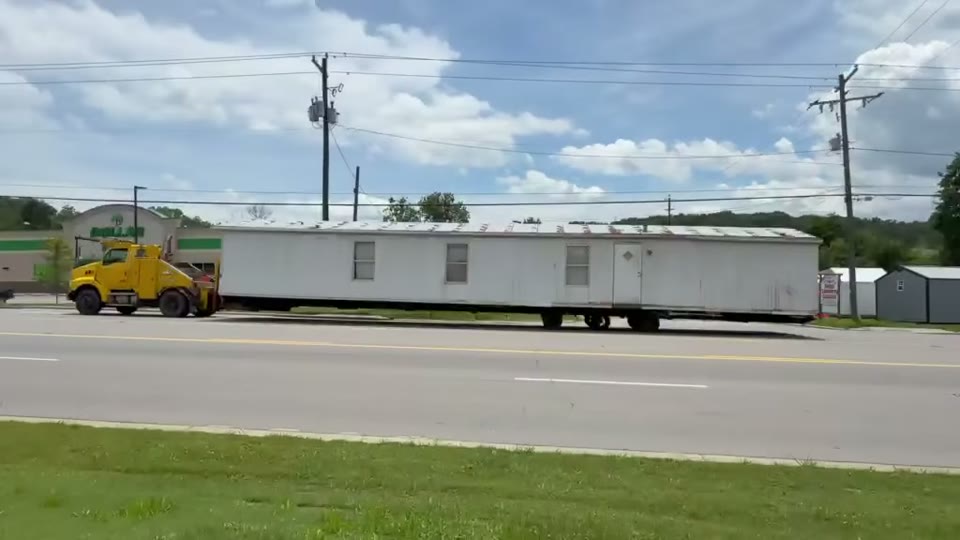
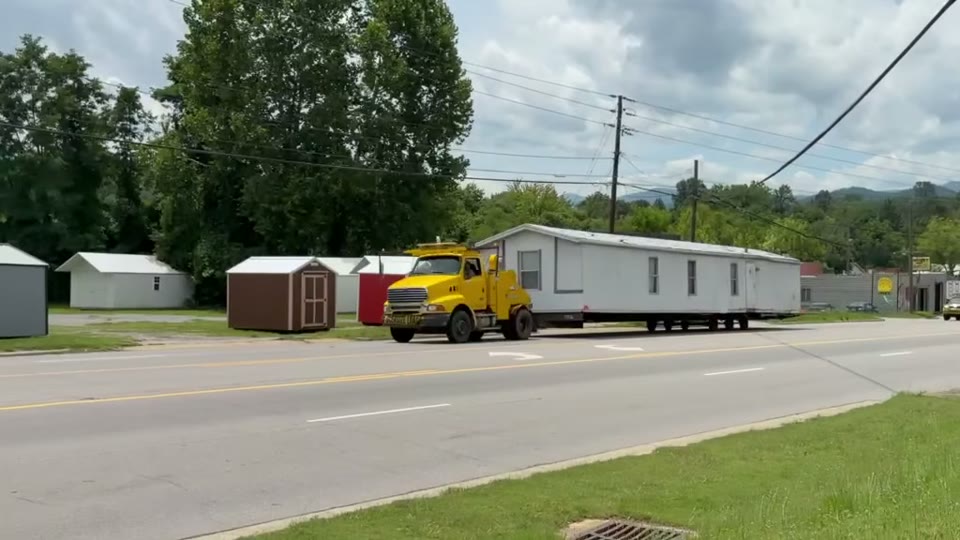
Two documents must be secured before the home moves on a public road: the NCDOT oversize transport permit required for any manufactured home traveling NC roads — current instructions are in Publication MH-2 — and a tax-paid moving permit under NCGS Chapter 105, Article 18, confirming that property taxes on the home are current before it crosses county lines. Missing either can stop a move mid-haul.
After the home is set, a setup permit and state inspection are required before the home can be occupied. The NC Manufactured Housing Board licenses both the contractors who perform setup work and the inspectors who sign off on installed homes statewide. McDowell County's own permit office steps were not verified for this page — call the county permit office before move day to confirm current fees, required documents, and inspection scheduling. Do not assume the process matches what a neighboring county described to you.
Hook-ups, skirting, and keeping the home level
Utility connections are separate from the installation set and are typically handled by licensed subcontractors. Most Marion city lots connect to municipal water and sewer lines; rural McDowell County lots generally rely on well and septic systems already on the property. Either way, the run from the home's utility stub-outs to the site connections is site-specific, and electrical connections must pass NC code inspection before the home is occupied.
Skirting closes the gap between the home's bottom rail and grade, which matters for moisture control under the floor system, pest exclusion, and lender compliance on financed homes. Vinyl skirting is the standard choice in McDowell County's climate; the finished grade clearance and total perimeter run determine material quantity and labor time.
Leveling is not a one-time task. Marion's valley-floor soils and hillside fill lots both shift with seasonal rainfall, and the Catawba basin has seen significant storm moisture across several recent declared events. The Marion mobile home leveling guide covers the early signs — a sticky door on one end of the home, a floor bounce over the crawl space — and when to schedule a re-level before that movement becomes a structural problem.